Storage is easy to overlook until dust, tools, and foot traffic spread through the house. Before demolition begins, decide which rooms need to be cleared, which belongings can remain in a clean zone, and which items are safer off-site until the project is finished.
D1 Moving and Storage helps homeowners across Northern VA, Washington DC, Richmond, Virginia Beach, Charlottesville, Roanoke, and surrounding Virginia communities move, pack, store, and clear out belongings before renovation work begins. If you have questions while planning your remodel, reach out through D1 Moving and Storage.
Clear Every Room Where Dust, Demolition, or Contractor Traffic Will Happen
The simplest rule is to fully clear every room where demolition, cutting, sanding, plastering, plumbing, electrical work, or material staging will take place. Even when a contractor seals a work zone, fine dust can travel through closed doors and settle in nearby rooms, closets, HVAC systems, sofas, mattresses, electronics, books, and décor.
Kitchen remodels usually require the most aggressive clearing. Cabinets, countertops, flooring, drywall, and appliance work create repeated dust and traffic. Kitchen contents should leave before work starts, and nearby dining furniture, rugs, artwork, electronics, and pathway furniture should move as well.
If the kitchen shares ventilation or open access with a living or dining room, those spaces may also need to be cleared. Upholstered furniture, electronics, and rugs nearby can collect fine dust through multiple phases.
Bathroom remodels are smaller, but they still affect hallways and nearby storage. Empty the bathroom, hallway rugs, linen storage, toiletries, artwork, and furniture close to the access route. A bedroom or living room may remain usable if it is outside the dust path and sealed from the corridor.
Basements bring added risk because stored goods are often packed close together. Moisture, masonry dust, plumbing work, and concrete grinding can affect cardboard, photos, documents, electronics, upholstery, and valuables. When the basement is part of the work zone, items should be elevated and often moved off-site.
Additions and whole-home remodels usually justify off-site storage. Work zones, access routes, utilities, and staging areas can shift. A second-story addition can expose upper-floor belongings to vibration and dust, while a whole-home project may leave no reliably clean room for storage.
Sort Belongings Into Items to Use, Items to Protect, and Items to Move Out
Before packing begins, divide belongings into three categories: keep in use, protect in place, and move out. This keeps the household functional without leaving valuable or dust-sensitive items exposed, and it helps avoid paying to store things needed every day.
Daily essentials can remain in a designated clean zone. These may include medications, work equipment, limited clothing, basic cookware, and toiletries. The clean zone should be outside the work path, away from vents, and separated from rooms where crews are cutting, sanding, staging, or carrying materials.
Some large items outside the work area can stay if protected correctly. Move them away from doorways, stairs, vents, and contractor routes. Pad and cover them in a way that does not trap moisture against wood or fabric for weeks.
The highest-priority items to remove are those that would be hard to clean, expensive to repair, or impossible to replace. Renovation dust can settle into fibers, gaps, and internal components, so moving these items before demolition is safer than protecting them in place.
Artwork, photographs, collectibles, antiques, and heirlooms
Instruments, glassware, mirrors, jewelry, cash, and valuables
Books, documents, and sensitive paper records
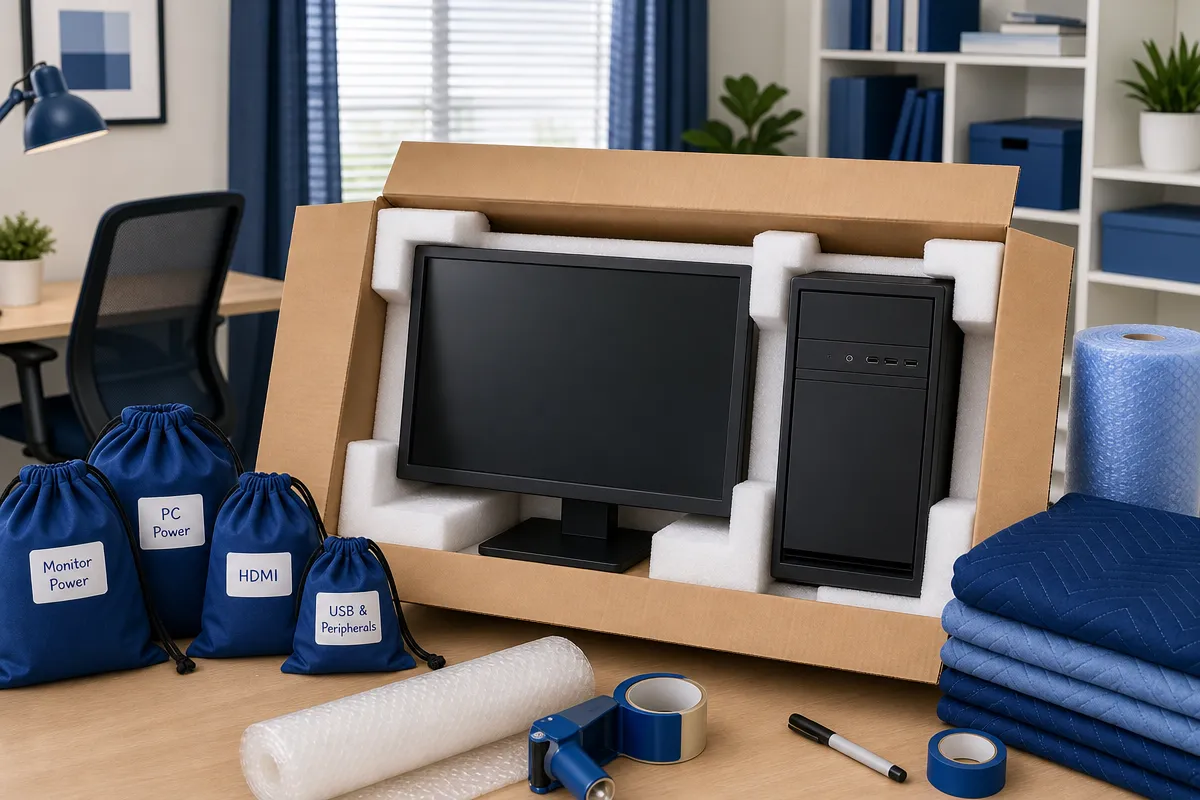
Televisions, computers, audio equipment, game systems, printers, and other electronics
Upholstered furniture, mattresses, rugs, and wooden furniture
Decorative objects that could chip, crack, absorb dust, or be knocked over
Electronics should generally leave before strip-out, sanding, or drywall work. Fine particles can collect internally, and devices should not stay in rooms connected to the project through air movement or worker traffic. Sensitive collections and valuables deserve the same treatment.
Large appliances depend on the project. Refrigerators, freezers, dishwashers, ranges, washers, and dryers can sometimes remain if they are outside the work zone, properly disconnected or protected, and not blocking access. Appliances being replaced should usually be removed rather than stored.
Protect Belongings That Stay Without Trapping Moisture or Blocking Crews
Not every item has to leave the property, but anything left behind needs a real protection plan. Contractors should isolate construction with zippered plastic barriers, seal gaps, protect floors and stairs, cover vents and returns in the work area, and change HVAC filters more frequently. HEPA air cleaners can reduce airborne dust in occupied areas, but they do not replace moving belongings out of the work zone.
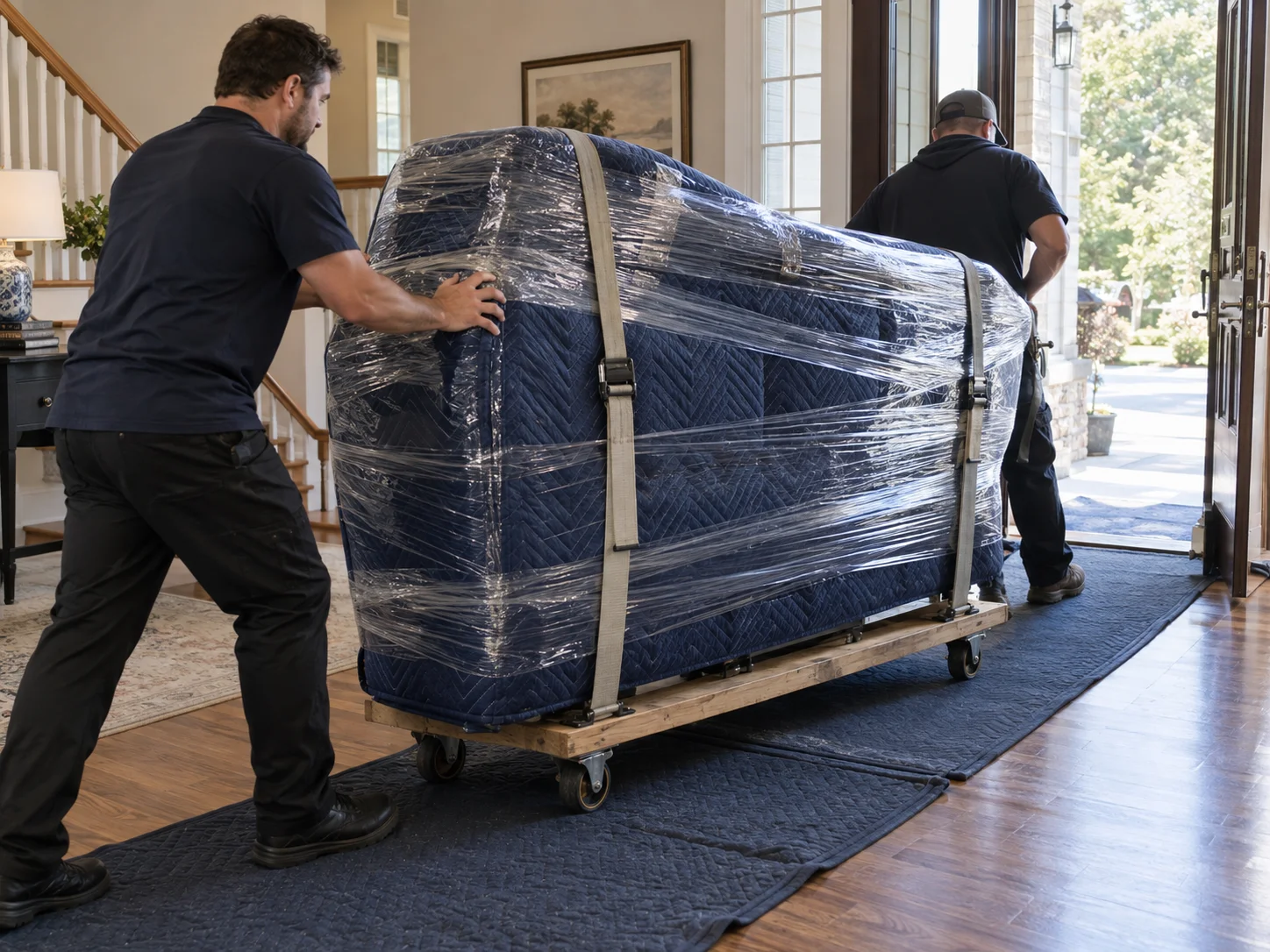
Furniture in adjacent rooms should be moved away from walls and traffic paths. Pad corners and choose covers carefully. Breathable moving blankets or dust sheets are better for long periods, while plastic can serve as an outer dust barrier when it is not tightly sealed against wood or fabric.
Plastic can trap condensation against furniture for weeks, contributing to mildew or warping. This is especially important for wooden furniture, upholstery, mattresses, and items stored in basements or garages.
Fixed items need special attention because they cannot be moved out of harm’s way. Fireplaces, built-in television units, carpets, stairs, and worker hallways should be protected before materials start coming in. Floor runners or heavy cardboard can help protect routes, exits, stairs, and hallways.
Packing also matters. Strong, preferably uniform-size boxes are easier to stack and move safely. Heavy contents such as books and tools belong in small cartons, while linens and pillows can go in larger boxes. Fill empty spaces with packing paper so contents do not shift.
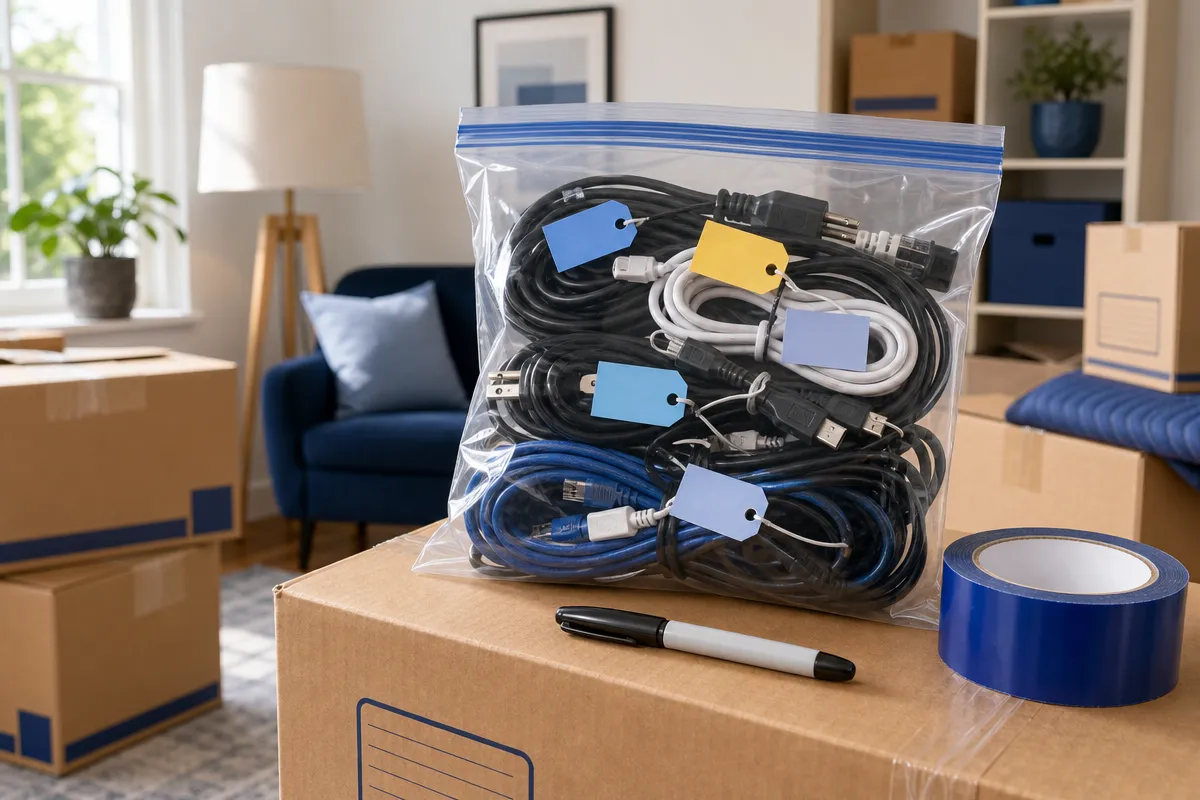
Glassware, décor, and fragile items should be wrapped individually. Mattresses should go in mattress bags, glass tabletops and shelves should be supported vertically, and large furniture should be dismantled where practical. Labeled hardware bags should stay with the item they belong to.
Some things should not be stored with ordinary household goods. Paint, propane, gasoline, other flammables, perishables, and heat-sensitive hazardous materials should be kept out of regular storage loads. Boxes stored in a basement or garage should be elevated where moisture, pests, or leaks are possible.
Move Belongings Before Demolition and Keep Storage Flexible During the Remodel
The first and most important move-out point is before demolition or strip-out. Remove items from the active room, then clear nearby closets, hallways, and staging areas before workers arrive. Scheduling the move several days ahead gives homeowners time to find overlooked belongings and avoid moving on demolition day.
During framing, plumbing, electrical, and rough-in work, bulky furniture should already be outside worker routes. Dust may be lower during some phases, but vibration, dropped materials, wet trades, and repeated access can still damage furniture and décor. A clear route also helps crews work safely.
The highest dust risk usually comes later, during drywall cutting, plastering, sanding, flooring removal, concrete grinding, and painting preparation. Adjacent living areas should be cleared at or before these phases because fine dust can penetrate upholstery, settle inside electronics, and spread beyond the room under construction.
Installation and finishing are not the time to unpack everything at once. Keep only essentials in a sealed clean zone until demolition, sanding, painting, and major cleanup are complete. Furniture can return progressively, but the space should be inspected and cleaned before boxes are opened.
Storage planning should allow for schedule changes. Projects can extend beyond the first estimate, and a setup that works for one week may become frustrating over months. The best arrangement keeps essentials reachable without forcing homeowners to sort through every box.
For phased renovations, pack by access priority rather than by room alone. Daily-use items should stay closest and easiest to retrieve. Occasional-use items can go farther back. Label every box by room and contents, and keep an inventory to reduce unnecessary handling.
This is where D1 Moving and Storage fits into the remodel process: packing, local moving, warehouse storage, junk removal, and move-out cleaning can help clear rooms before crews arrive and reduce the number of times belongings are handled.
Choose the Right Renovation Storage Option for the Size and Risk of the Project
There is no single storage choice for every remodel. The right option depends on dust, the number of rooms involved, how long the project may run, and whether the home has a clean, safe area that contractors will not need. The more demolition, sanding, flooring work, or access changes involved, the more valuable off-site storage becomes.
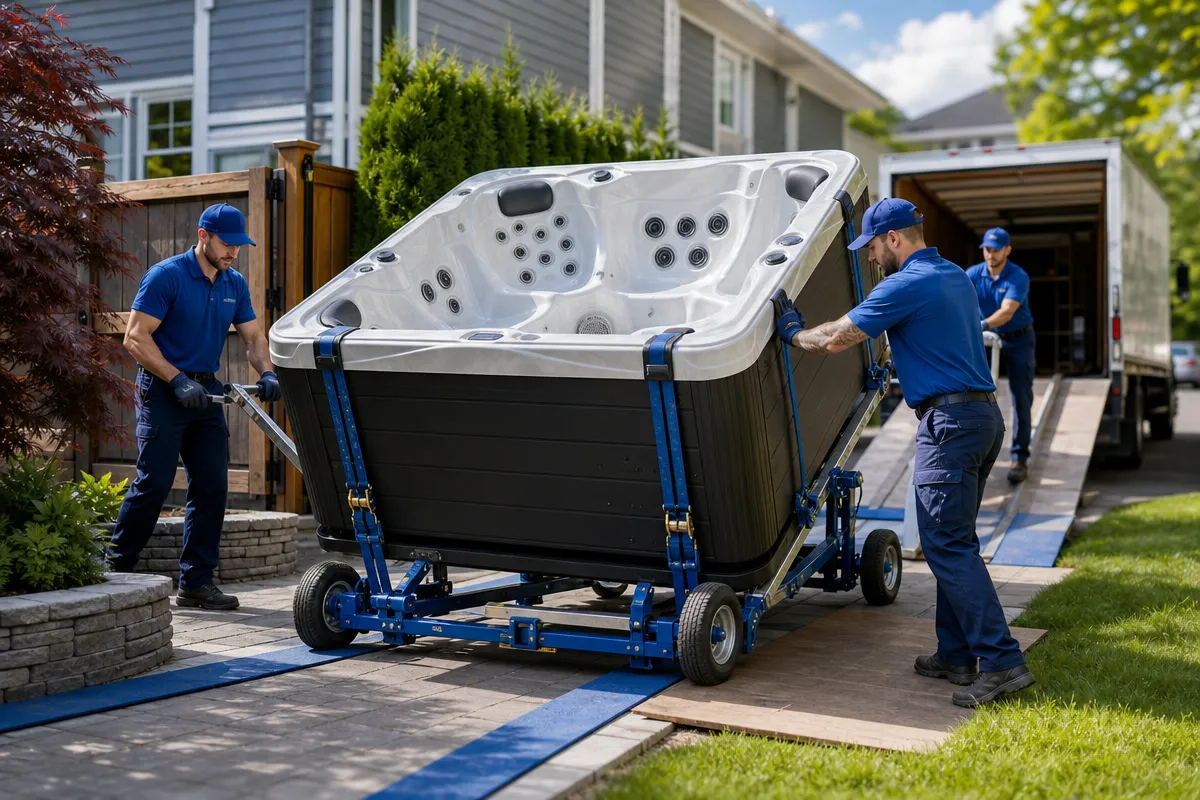
Local moving help works well when homeowners need labor to pack, disassemble, carry, load, or move belongings between rooms, a garage, a portable container, and a storage facility. It reduces lifting and damage risk, but it should be scheduled before demolition. Long-term storage, packing, and disposal may need separate arrangements depending on the provider.
Portable containers can be useful when the household needs temporary capacity and wants loading done at the property. Some providers offer weather-resistant steel containers and may coordinate loading, packing, junk removal, and other moving services. On-site placement works only when there is a safe, legal, nonconstruction location with adequate delivery access.
A driveway container can create problems if contractors need the same space for deliveries, staging, or access. For larger kitchens, additions, multiroom renovations, and whole-home remodels, warehouse storage is often safer. It removes possessions from dust, vibration, job-site traffic, and indoor humidity risks while giving crews more room to work.
Garage, basement, or spare-room storage has the lowest logistics burden, but it carries greater exposure to dust, moisture, pests, accidental impact, and contractor traffic. It is suitable only when the storage area is outside the work zone, boxes are elevated, barriers are sealed, and contractors are not using the space for materials.
Before booking storage, confirm the details that affect access, protection, and timing. These questions help avoid surprises and make it easier to compare a container, warehouse storage, and on-site storage realistically.
How long can the items stay in storage, and what happens if the renovation runs longer?
What are the access rules if something is needed during the project?
What insurance or valuation coverage applies while items are moved or stored?
Are climate control, pest controls, and moisture controls available or included?
Which items are prohibited from storage?
Are packing, loading, unloading, disposal, and cleaning included or separate?
Use a Simple Decision Rule to Decide What Leaves the House
The best storage decision is usually practical, not complicated. If an item is fragile, valuable, upholstered, electronic, irreplaceable, or not needed for several weeks, move it out. If it is essential and safely outside the work path, keep it in a sealed clean zone.
If something is bulky but movable and the project will be dusty or prolonged, warehouse storage is usually safer than covering it inside the home. This is especially true when drywall sanding, flooring removal, concrete grinding, additions, or multiroom work are involved. Covering furniture only helps when the room is truly outside the dust and traffic path.
Use on-site protection for small, low-dust projects with a clearly isolated work room, no shared traffic route, and enough uncontaminated storage space. Bathroom refreshes, limited fixture replacements, and isolated repairs may fit this model if sensitive goods are removed from corridors and the contractor maintains barriers.
Use a portable container when the household needs significant temporary capacity, wants loading at the property, and has a suitable placement area. Choose warehouse storage when demolition, sanding, extensive flooring work, additions, uncertain timelines, or driveway conflicts make on-site storage risky.
Junk removal should happen before storage loading so homeowners are not paying to move unwanted furniture, broken appliances, packaging, or debris. Move-out cleaning is most useful after belongings leave and before construction begins. Final cleaning should happen after sanding, painting, installation, and debris removal so stored items return to a cleaner environment.
A remodel is easier to manage when the house is cleared before crews arrive, essentials are easy to find, and furniture is protected from dust, vibration, moisture, and repeated handling. If you are preparing for a renovation and need help with packing, local moving, warehouse storage, junk removal, or move-out cleaning, visit D1 Moving and Storage to plan the next step.