Shipping fragile items takes more than writing “FRAGILE” on a box. Glassware, framed artwork, electronics, antiques, ceramics, mirrors, and heirlooms all need packaging that prevents impact, movement, crushing, moisture problems, and unnecessary handling.
Choose Strong Boxes and Specialty Containers That Fit the Item
The right container is the first layer of protection. A fragile item should go into a new, rigid, double-wall corrugated box with enough room for cushioning, but not so much empty space that the contents can shift. Boxes that are crushed, wet, weak, or previously stressed are risky because they may split or collapse during handling.
For ordinary fragile goods, leave cushioning space around the item. FedEx recommends about 3 inches of cushioning inside and around an inner box when double-boxing fragile goods. That spacing helps absorb impact before force reaches the item itself.
A good box should match the weight, shape, and risk level of what it holds. Overfilled boxes can split. Underfilled boxes can collapse. A box that is too large allows items to pick up speed inside the carton, which increases the chance of chips, cracks, and broken handles.
Use specialty packaging when shape or value increases the risk
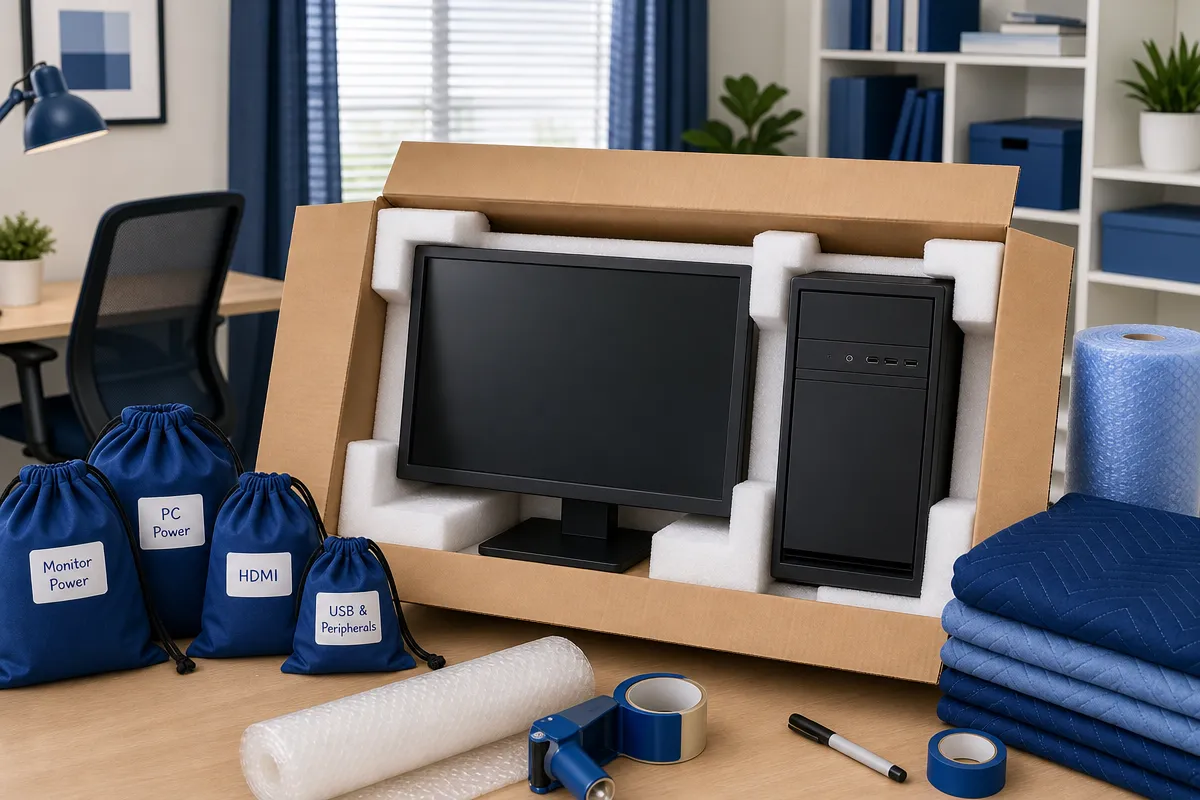
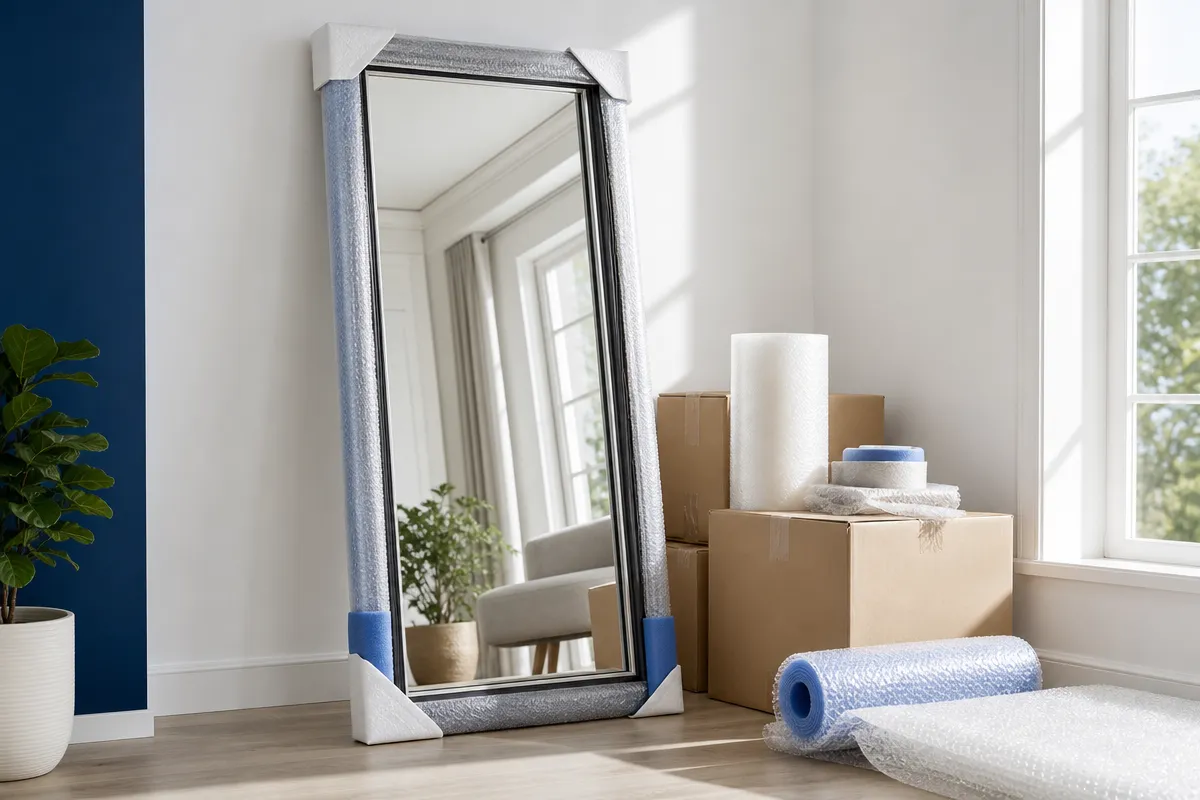
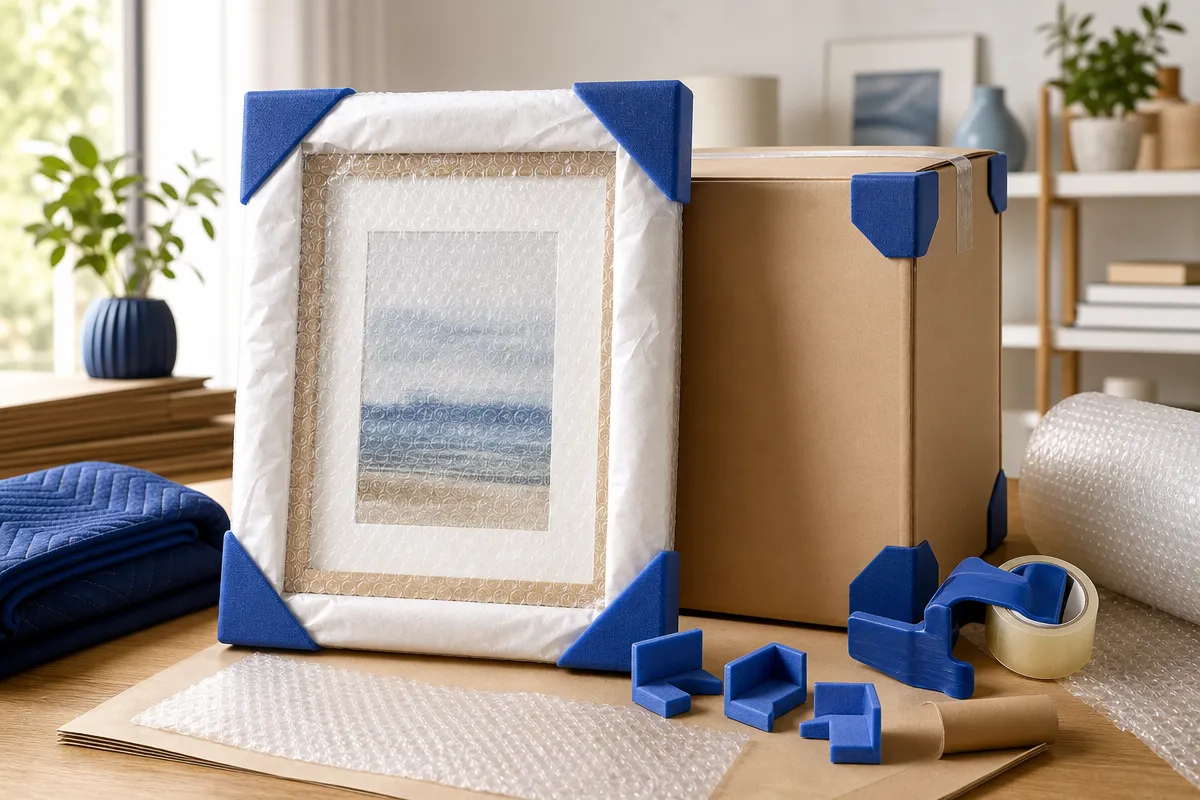
Some items should not be forced into a standard moving carton. Mirrors, framed photos, glazed artwork, TVs, computers, and narrow collectibles often need fitted protection. Mirror-and-picture boxes, corner protectors, electronics cartons, anti-static bubble wrap, shipping tubes, and fitted foam inserts give these items more reliable support than improvised packing.
Large, heavy, unusually shaped, antique, or exceptionally valuable items may need a custom crate. National Park Service guidance recommends wood, fiberglass, or high-density plastic support for heavy or valuable fragile objects, and notes that a custom container or professional carpenter may be appropriate for certain pieces.
Match Cushioning Materials to Glass, Artwork, Electronics, and Antiques
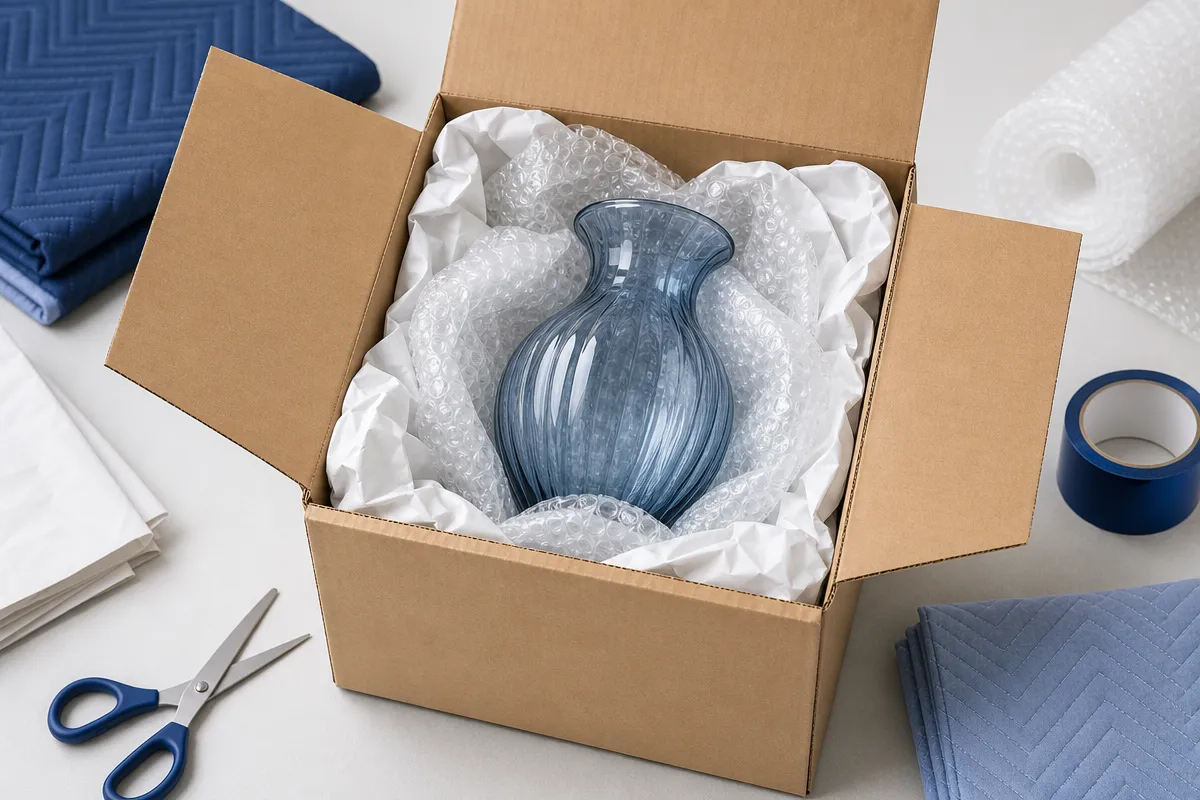
Cushioning works best when it is chosen for the object, not used as a one-size-fits-all filler. Packing paper is useful for glassware, ceramics, dishes, collectibles, and void filling. Bubble wrap and foam provide more impact and vibration protection.
Small bubbles help reduce abrasion, while larger bubbles provide more impact protection. Keep bubbles facing inward, but do not allow plastic to touch sensitive surfaces if condensation could be a concern. Artwork, photographs, and delicate finishes may need an extra protective layer before any plastic material is used.
Fragile points deserve attention first. Edges, corners, handles, lids, feet, screens, frames, joints, and detachable parts are often the first areas to fail. A teapot and its lid, an appliance with removable parts, or an antique with fragile components should be separated and wrapped individually.
Different fragile items need different packing choices
The safest packing plan starts by identifying what is most likely to break. A mirror needs edge and glass protection. A computer needs anti-static cushioning and screen protection. An antique may need support at its strongest points instead of pressure on decorative areas. These examples show how the packing material should follow the object’s weak spots.
Glassware, ceramics, and dishes: Wrap every piece separately, place heavier items below lighter ones, and separate neighboring pieces with paper or foam.
Mirrors and framed artwork: Place painter’s tape across glass in an “X” pattern to help limit splintering if the glass breaks, then add foam corner protectors and a rigid picture or mirror carton.
Electronics: Use original packaging when available, or fitted electronics boxes with anti-static cushioning. U-Haul specifically recommends anti-static bubble wrap for computers and other electronics.
Antiques and heirlooms: Immobilize moving mechanisms, wrap detachable parts separately, and avoid pressure on fragile joints, feet, handles, or repaired areas.
This is also the point where professional packing can be worth considering. D1 Moving and Storage offers packing services and moving supplies for customers who want delicate items prepared with the right materials before transport.
Pack Each Box to Stop Movement, Impact, and Crushing
Most damage happens when fragile items move inside the box or come into direct contact with each other. Begin with a cushioning layer on the bottom before anything goes into the carton. Wrap each item independently, place it near the center, and separate neighboring pieces with paper or foam.
Every empty space should be filled with crumpled paper, foam, air pillows, or suitable loose fill. A properly packed fragile box should not rattle when gently shaken. If it does, the contents can collide during lifting, loading, turns, vibration, or sudden stops.
Do not rely on a single layer of bubble wrap, newspaper alone, or towels that compress under weight. Soft household materials may seem protective, but if they flatten, they stop absorbing impact. Loose items inside one box can chip each other even when the carton itself looks undamaged.
Build the box in layers and seal it correctly
Good fragile packing is structured. Heavy items go below lighter items. Breakables should not be stacked without protection between them. Glass, ceramics, artwork, and electronics should never sit beneath heavy objects.
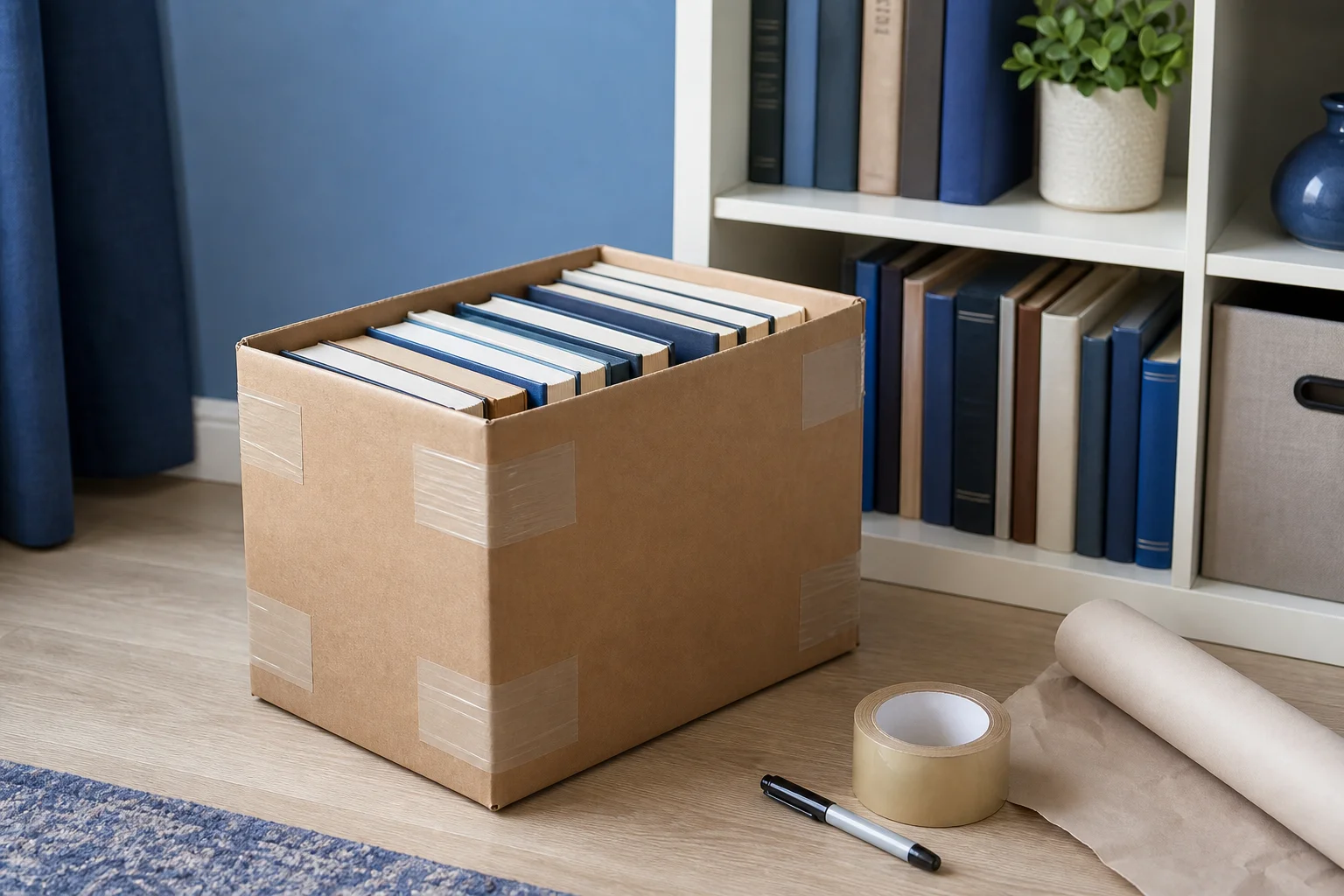
Keep cartons manageable. U-Haul recommends limiting filled moving boxes to roughly 30 pounds or to a weight the packer can safely lift. This matters because a box that is too heavy is harder to carry level, easier to drop, and more likely to crush items beneath it.
Seal cartons with strong pressure-sensitive or reinforced tape. Use the H-taping method across the center seam and both edges on the top and bottom. If the item is being shipped, put the shipping label on the largest flat surface, avoid placing it across a seam, add an address label inside, and cover old labels and barcodes.
Label, Document, Load, and Protect Fragile Items Through Delivery
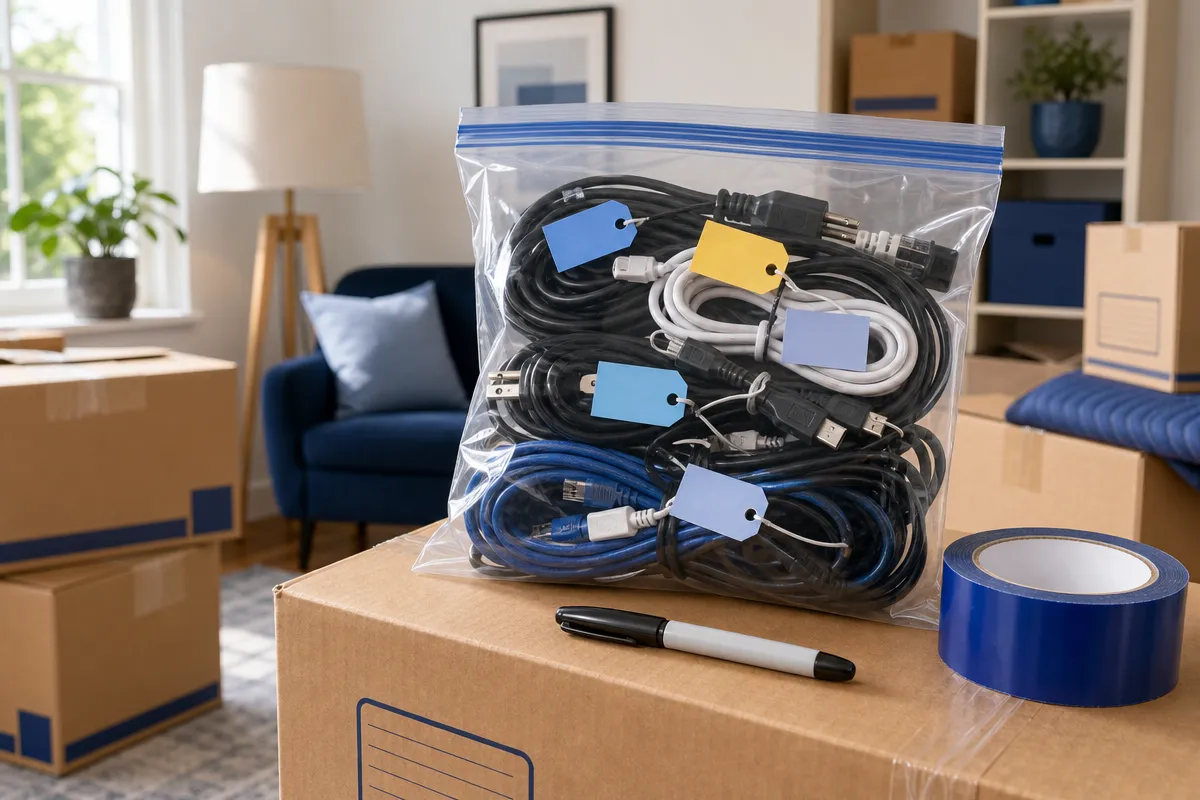
Labels help, but they are not protection by themselves. Mark cartons clearly with “FRAGILE,” “GLASS,” “THIS SIDE UP,” or “KEEP UPRIGHT” when appropriate. Also include contents and destination-room labels so handlers do not need to open or move boxes repeatedly just to identify them.
Before handoff, photograph valuable or fragile items from multiple angles. Capture existing scratches, chips, cracks, stains, repairs, serial numbers, labels, signatures, and identifying marks. A numbered inventory should connect each item to its carton, crate, photographs, packing instructions, and condition report.
For interstate household moves, FMCSA says the mover’s inventory should identify each item and existing damage or unusual wear, and both customer and mover should sign each page. FMCSA also states that interstate claims generally must be filed within nine months of delivery.
Plan for loading, storage, and valuation before fragile items move
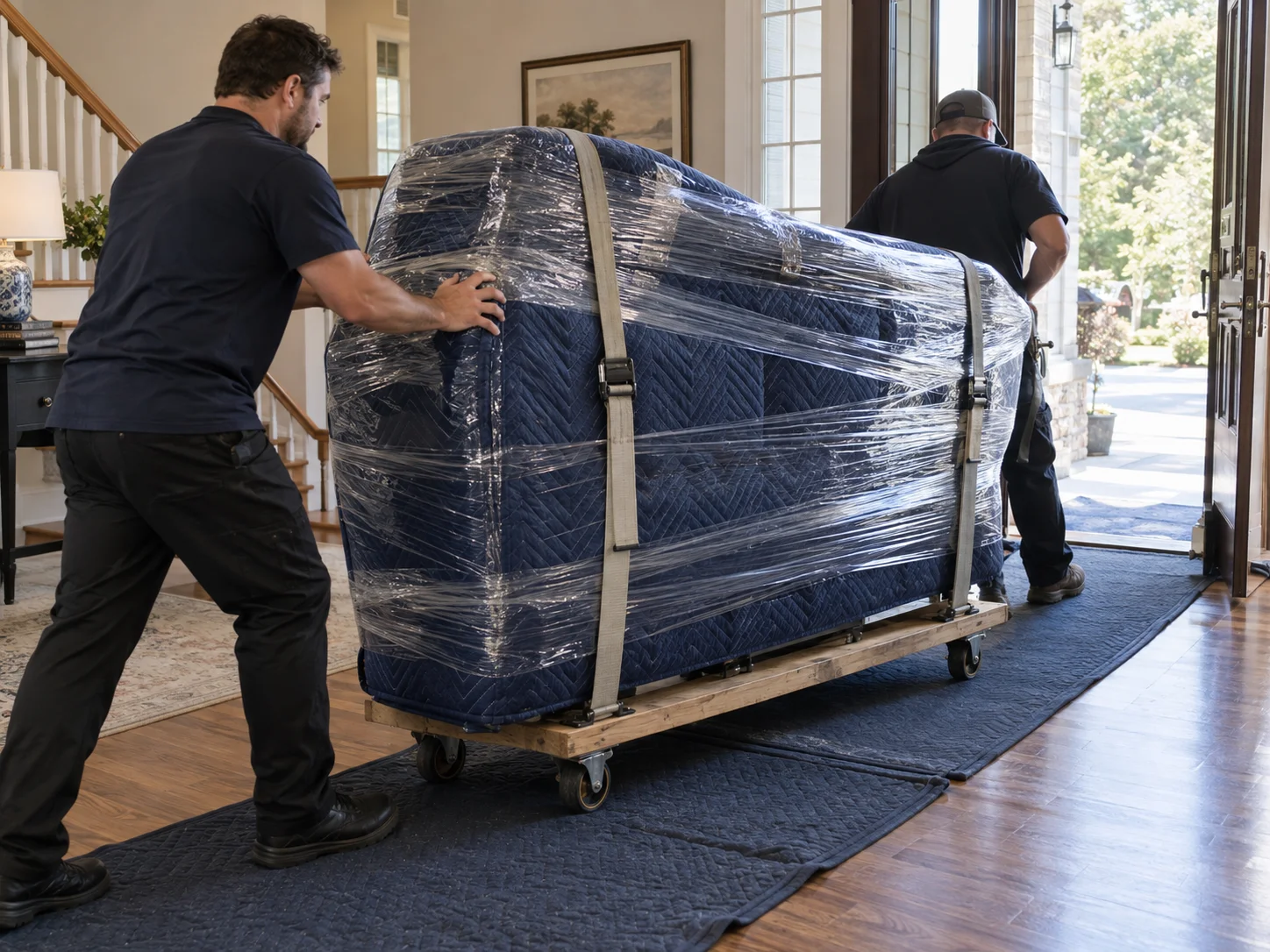
Fragile cartons should stay upright and above heavier goods when they can be safely supported. Heavy, sturdy items belong low and toward the front of a truck or container, with stable tiers built toward the rear. Gaps should be filled, and furniture or appliances should be secured with rated straps, tie-downs, or load bars.
Long-distance moves add vibration, weather, temperature, and humidity concerns. National Park Service guidance recommends considering the shipping method, climate, destination conditions, and structural weaknesses of the object before transport. Sensitive items such as antiques, artwork, electronics, photographs, and heirlooms should not sit for extended periods in a hot truck, unconditioned garage, attic, or damp container.
Coverage should be reviewed before the move, not after damage occurs. For interstate household moves, FMCSA explains that movers must offer Full Value Protection and Released Value, and Released Value generally limits liability to 60 cents per pound per article. That can be inadequate for lightweight, expensive items such as artwork, china, antiques, and electronics.
Ask whether self-packed items are covered, whether professional packing changes eligibility, and whether storage, mold, temperature damage, inherent defects, or improper packing are excluded. Keep appraisals, receipts, photographs, and written declared values separate from the shipment.
When fragile belongings need careful packing, moving, storage, or supplies, contact D1 Moving and Storage through its website to discuss the safest way to prepare your items for transport.