

Senior packing works best when families stop treating every box as equally urgent. Start by deciding what the older adult will need during the first 24 to 72 hours, then keep medications, documents, valuables, mobility items, and familiar comforts accessible instead of buried in the truck.
D1 Moving and Storage helps families with local and long distance moving, packing, storage, junk removal, and related moving services across Northern VA, Washington DC, Richmond, Virginia Beach, Charlottesville, Roanoke, and many surrounding communities.
If you are unsure how to organize a senior move, reach out with questions before packing begins so the plan fits the older adult’s first-day needs.
Start Senior Packing With the First 24 to 72 Hours in Mind
The most useful packing plan begins with a narrow question: what must be available before, during, and immediately after the move? For an older adult, that often includes health items, identification, clothing, bedding, toiletries, and tools that support daily routines.
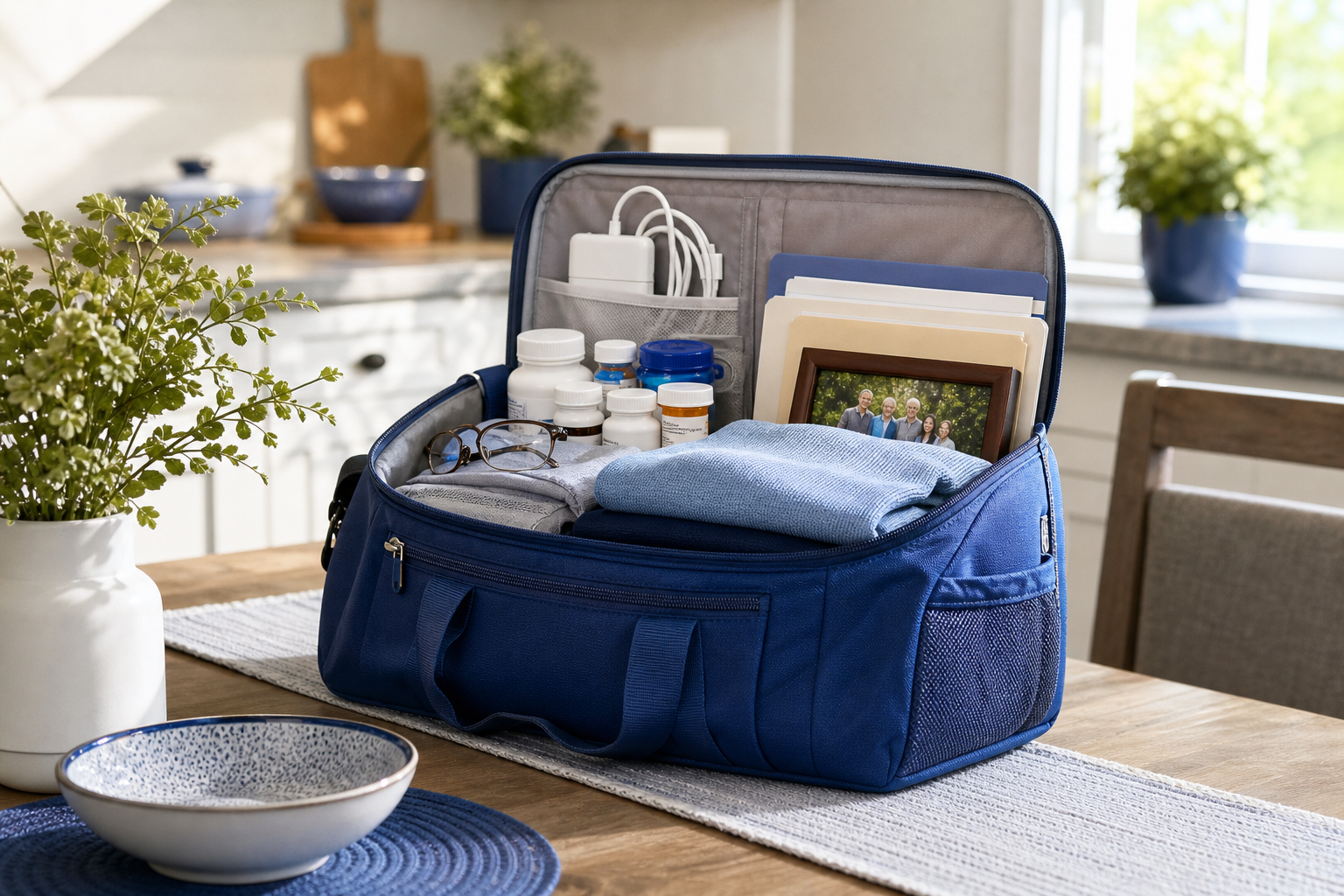
A separate essentials bag or open-first box should stay with the senior or an authorized family member. It should not go inside the moving truck. If unloading is delayed, the older adult still needs access to time-sensitive belongings and personal care items.
Families should also prepare a first-room container for the new home. This is different from the personal essentials bag. It helps make the first evening and morning more comfortable once the main furniture arrives.
Before moving day, confirm access details at the new residence. Elevator reservations, parking rules, key handoff, and whether bedding, meals, toiletries, or medical supplies are provided can all change what must be packed for immediate use. A senior move plan that accounts for the first 24 to 72 hours reduces stress because the most important items are never out of reach.
An essentials bag should travel with the senior or caregiver
This bag should be small enough to manage but complete enough to cover the first stretch of the move. It is not a general suitcase or a box for extras. It holds items the older adult may need while the home is being packed, loaded, transported, and set up.
Keep the contents visible, labeled, and assigned to one responsible person. Everyone helping should know that this bag does not get loaded with household goods. No one should have to search through cartons for a prescription, hearing device, or charger.
Current medications and a written medication schedule
Identification, insurance cards, and emergency contacts
Glasses, hearing devices, dentures, and mobility aids
Phone, charger, and personal electronics needed daily
A change of clothes, sleepwear, toiletries, and basic bedding
Snacks, water, and comfort items for waiting periods
Keep Medications, Medical Devices, and Health Records Out of the Moving Truck
Medication planning should begin before moving day. Families should confirm refills, transfer prescriptions to a nearby pharmacy when appropriate, and create a current written medication list with names, dosages, schedules, and refill information.
Medications should remain with the senior or a trusted caregiver, not packed into a shipment, even in a clearly marked box. A written schedule should stay with them so a family member or caregiver can help without guessing.
Daily-use devices need the same protection. Walkers, canes, wheelchairs, hearing aids, glasses, dentures, oxygen equipment, shower chairs, and other adaptive equipment must stay available during loading and unloading. These items should never be buried behind furniture or placed in a carton that cannot be opened immediately.
Health records should be organized into an accessible personal file. Include insurance cards, medication lists, physician forms, emergency contacts, health-condition summaries, and information needed by the receiving community or new healthcare providers. Families can use guidance on current written medication lists to shape a practical file that supports care during the transition.
Special storage or transport requirements should be confirmed with the prescriber or equipment provider. If an item is medically necessary, treat it as an immediate-access item, not household cargo.
Medical equipment should be positioned before it is needed
At the new home, mobility and care items should be placed early. The bed, bathroom path, seating area, and frequently used storage areas should be accessible before the older adult moves through the space. Any oxygen, electrical, or provider-managed device should be coordinated with the appropriate supplier or healthcare professional.
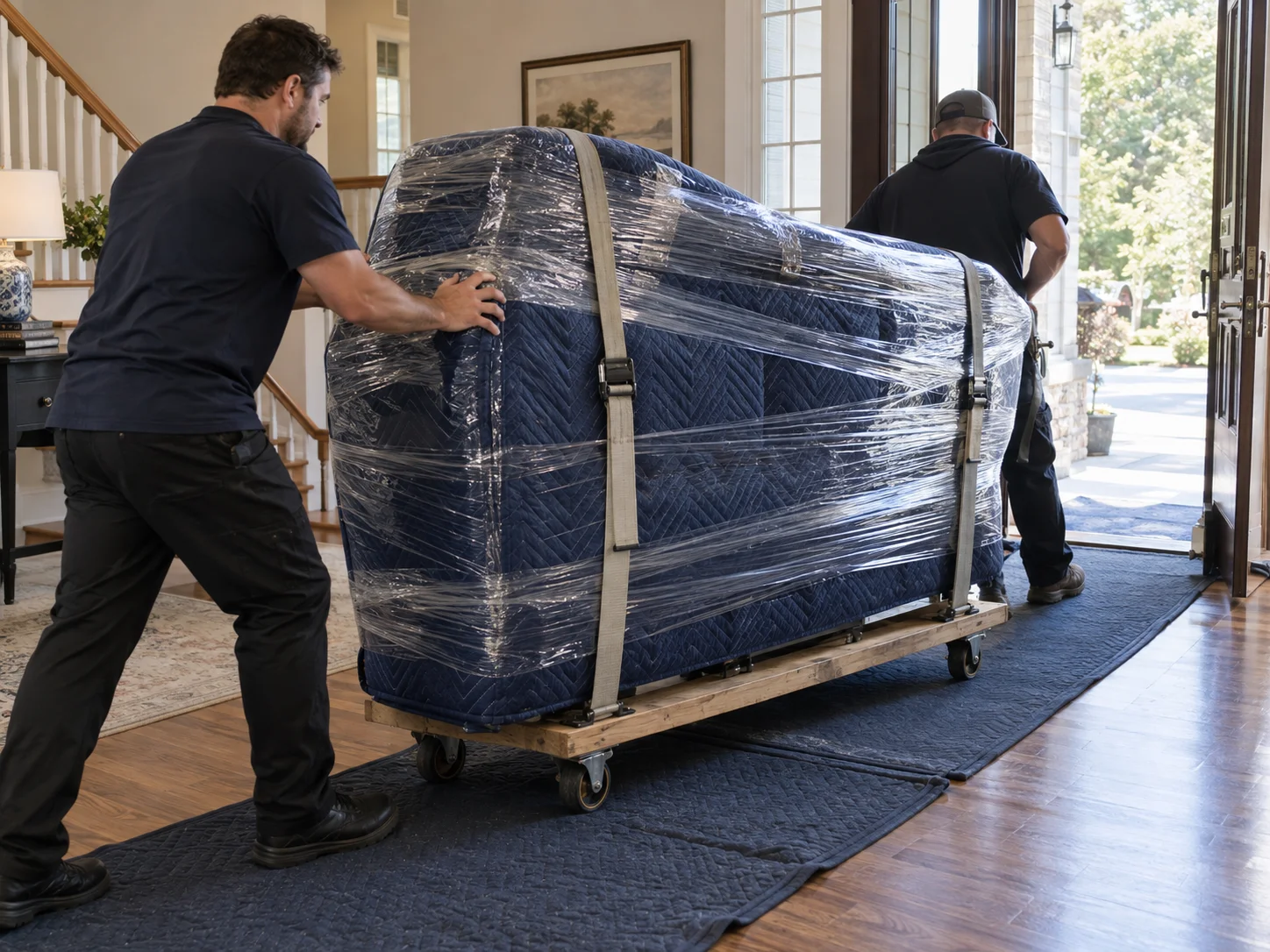
This is one moment when professional packing and moving support can reduce strain on the family. D1 Moving and Storage can help with packing, moving, storage, and setup-related needs while families keep personal medical items in their own care.
Protect Legal Documents, Financial Records, and Valuables Separately
Important papers and irreplaceable belongings should be separated from ordinary household goods before packing begins. A senior move often involves many helpers, multiple destinations, and fast decisions. A secure document packet keeps critical information from being mixed into bedroom, office, or storage boxes.
Legal and financial records should remain with the older adult, a trusted family member, or another authorized custodian. Families may decide that original documents stay with a relative while copies go to a receiving facility when appropriate.
The same thinking applies to valuables. Jewelry, collectibles, original certificates, family photographs, and other high-value or irreplaceable items should be transported personally or stored separately rather than placed into general moving inventory. Families should photograph valuable items before packing and maintain a personal-property inventory.
Documentation reduces confusion about which items are moving, being stored, being donated, or being delivered to relatives. It can also help document condition if there is a later question about an item.
A secure document packet should have one authorized owner
Before packing day, decide who controls the documents and who may access them. This prevents multiple people from making separate piles or moving papers into different boxes. The packet should be easy to carry and clearly excluded from the moving shipment.
The packet may include personal, legal, financial, and residence-related information. Pack it early enough to prevent last-minute searching, but keep it accessible throughout the move. A checklist for legal and financial records can help families decide what belongs in this protected group.
Birth and marriage certificates
Social Security cards and passports
Tax records, bank information, and credit-card information
Insurance policies, wills, powers of attorney, and advance directives
Vehicle titles and residence or closing documents
Medical records, emergency contacts, and care information
Use Familiar Personal Items to Make the New Home Feel Usable Right Away
A senior packing plan should not focus only on logistics. Familiar objects can make the new space less disorienting and more comfortable. Photographs, a favorite chair, familiar bedding, a preferred blanket, a clock, religious or cultural objects, and commonly used décor can help preserve routines.
The transition should move at the older adult’s pace whenever possible. Packing can begin with less emotionally significant areas before moving into sentimental rooms. This gives the family time to decide what will move, what will be stored, what will be donated, and what will be passed to relatives.
Families should avoid filling a smaller residence with just-in-case furniture. Large sectionals, full dining sets, and excess furnishings can crowd walkways and make daily movement harder. If an item does not fit comfortably, assign it to storage, donation, sale, discard, or family delivery before move-in.
Comfort items should be identified by routine, not only by emotional value. Ask what the older adult uses every morning, every evening, during meals, and before bed. The answers often reveal which items should be unloaded first and placed where the senior expects to find them.
The first room should support sleep, hygiene, meals, and comfort
The first-room container should be clearly marked and easy to find. It helps turn an empty or partly unpacked residence into a usable living space. It should not be overloaded with extras because its purpose is immediate function.
Think of this box as the bridge between arrival and full unpacking. It should help the senior sleep, use the bathroom, dress, eat something simple, and recognize the room. Guidance on items needed the first morning supports this practical approach.
Sheets, towels, toilet paper, soap, and toiletries
A lamp, remote controls, and phone charger
Basic dishes and frequently used kitchen items
Sleepwear, easy-care clothing, and bedding
Favorite photographs, a preferred blanket, or meaningful décor
Snacks and items that support familiar mealtime routines
Pack Room by Room for Smaller Spaces and Safer Pathways
Senior packing should be guided by the size and layout of the new residence. Before selecting furniture, families should use a floor plan with accurate measurements. Measure rooms, closets, doorways, bathrooms, and major furniture, then mark where each item will go.
This prevents unnecessary pieces from arriving on moving day. It also helps protect walking paths and reduces the chance that boxes or furniture will block access to the bed, bathroom, seating area, kitchen, or exits.
Pack by room and use priority. Seasonal clothing, decorative items, books, and rarely used kitchenware can be packed first. Daily clothing, toiletries, medication-related supplies, bedding, and frequently used kitchen items should stay available until the final stage.
In the bedroom, prioritize the bed, bedding, a small number of easy-care outfits, sleepwear, a nightstand, lighting, and mobility access. In the bathroom, keep toiletries, towels, adaptive equipment, nonslip materials, and frequently used personal-care items immediately available.
The kitchen and living area should support normal routines without overcrowding. A small set of dishes, an easy-to-use kettle or coffee maker, preferred snacks, a favorite chair, remote controls, and familiar photographs can make the first days functional.
Clear walkways should matter as much as full boxes
Families should avoid asking the senior to perform heavy lifting, carry awkward boxes, climb ladders, or work around active loading zones. During loading and unloading, the older adult should have a quiet, supervised area with water, medications, mobility aids, and personal essentials available.
Boxes should not be placed in hallways, in front of bathroom doors, or along routes used by walkers and wheelchairs. At the destination, inspect lighting, rugs, electrical cords, furniture placement, and narrow passages. Practical senior moving guidance stresses that walkways, stairs, entrances, and exits should remain clear during the move.
Once furniture is placed, check the route from the bed to the bathroom, from seating to the kitchen, and from the main living area to the exit. The most familiar layout is not always the safest layout. The best setup supports comfort while preserving open movement.
Create a Labeling and Inventory System That Tells Everyone What to Open First
A clear labeling system keeps the move from becoming a guessing game. Each box should show the destination room, specific location, contents, and unpacking priority. Labels such as Bathroom, top cabinet, open first or Bedroom, dresser drawer, later tell helpers exactly where an item belongs.
Color-coding or numbering can make the system easier to see. Assign each destination room a color or number, place the same code on the floor plan, and label the top and at least one side of every box. This keeps information visible when cartons are stacked.
Priority categories help relatives, movers, and caregivers separate urgent items from belongings that can wait. Open First, Day One, This Week, Storage, Family, Donate, and Discard are clear enough for a busy moving day. They also help prevent donation or storage items from being delivered into the new living space.
A master inventory should include the box number, room, brief contents, condition notes, destination, and special handling instructions. Photograph fragile or valuable items before packing. Record keys, access cards, documents, medications, and personal electronics separately from the household shipment.
The first setup sequence should be planned before delivery
At delivery, boxes should go directly to their labeled destinations. The inventory should be checked before the crew leaves so missing or misplaced items can be addressed while everyone is still on site.
The first setup sequence should usually begin with the bed and bedding, bathroom essentials, medications and medical devices, kitchen basics, and familiar personal items. When those items are in place, the older adult has a safer and more comfortable first night, even if many boxes remain unopened.
Senior packing is not just about reducing the number of boxes. It is about protecting what matters most, keeping care items accessible, and setting up the new home in an order that supports the older adult’s daily life.
If your family is preparing for a senior move, D1 Moving and Storage can help with packing services, local moving, long distance moving, warehouse storage, moving supplies, junk removal, and related moving support. Visit D1 Moving and Storage to plan the next step with a team serving communities across Virginia, Northern VA, and Washington DC.



.webp)


.webp)
.webp)


.webp)


.webp)
.webp)

.webp)