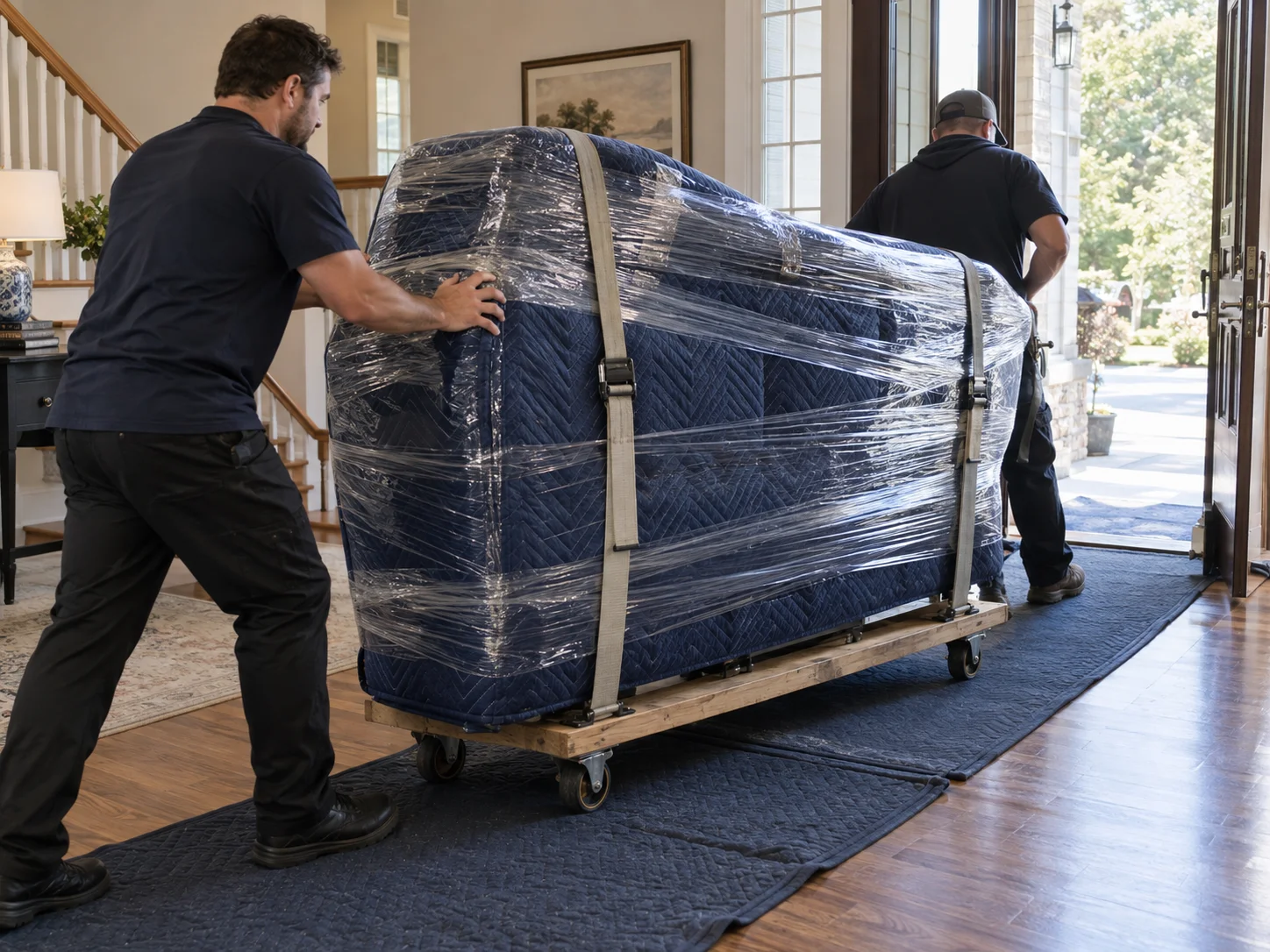
Senior home safety starts before the moving truck arrives. For an older adult, a new or rearranged home should not feel like a worksite filled with boxes, cords, and temporary furniture paths. The safest move-in plan prepares clear walking routes, lighting, bathroom access, everyday items, and familiar room layouts before the person arrives.
D1 Moving and Storage helps families across Northern VA, Washington DC, Richmond, Virginia Beach, Charlottesville, Roanoke, and surrounding Virginia communities plan moves where safety and usability matter from the first day.
If you are preparing for an older-adult move and have questions about the moving, packing, storage, or junk-removal side of the process, you can reach out before moving day so the home setup supports the person’s needs.
Clear walking paths should be ready before the older adult arrives
Falls are a central concern when preparing a home for an older adult. The CDC notes that falls are the leading cause of injury among adults age 65 and older, and more than one in four older adults reports falling each year. That makes layout, clutter control, and walking surfaces more than housekeeping details.
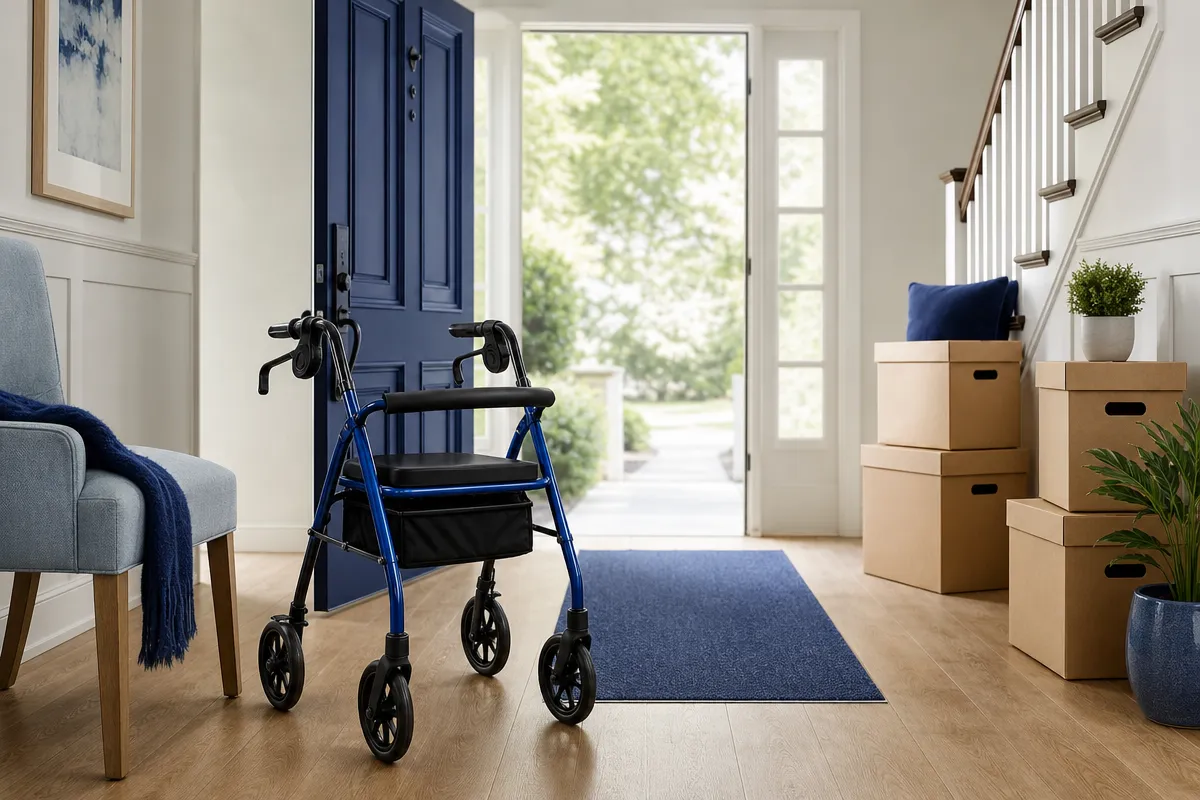
Start by identifying how the person actually moves through the home. A senior who uses a cane, walker, wheelchair, oxygen equipment, or other mobility aid needs more space than a person walking unaided. Vision changes, dizziness, medication effects, and cognitive changes can also affect how safe a hallway, doorway, or bedroom route feels.
The safest approach is room by room. Focus first on the bedroom, bathroom, kitchen, entryway, and the routes connecting them. These spaces should be usable immediately, with no boxes, tools, loose cords, or leaned furniture in walking areas.
Before unpacking decorative or rarely used items, make sure the essentials support safe movement:
Remove loose rugs or secure them with nonslip backing.
Keep stairs, halls, and bedroom-to-bathroom routes free of boxes and bags.
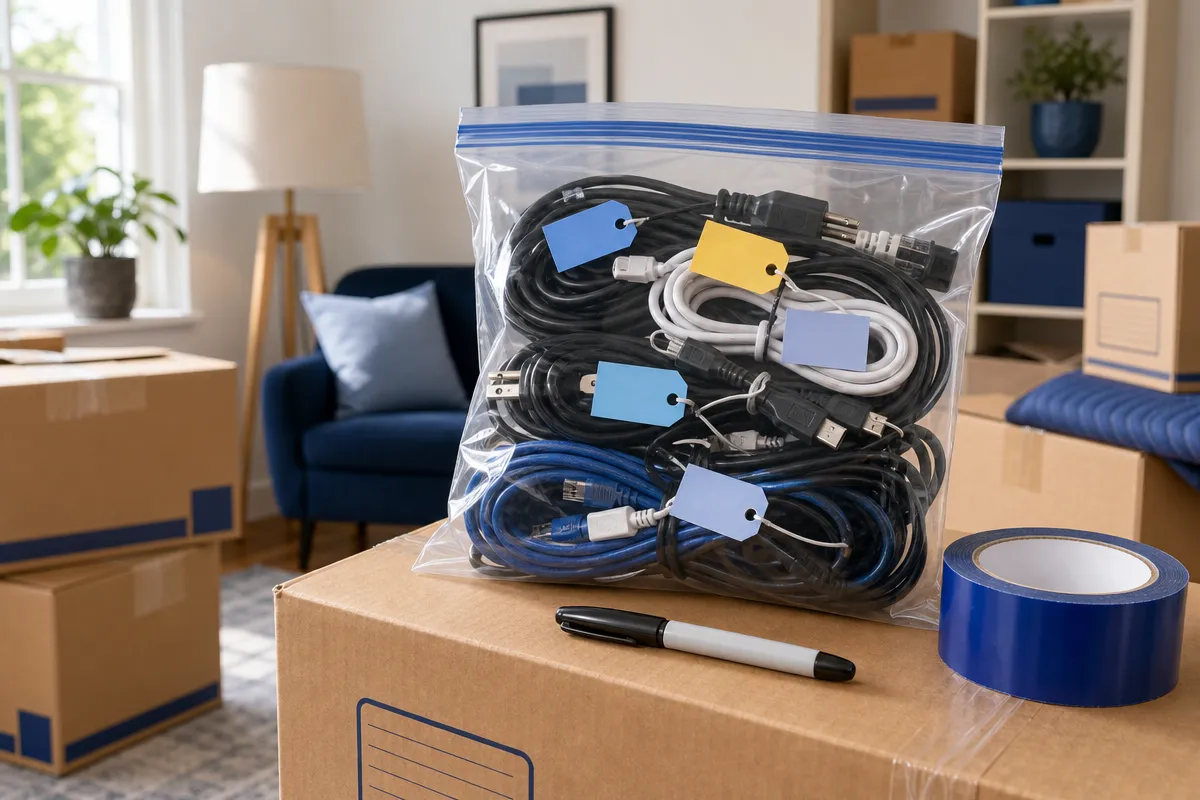
Coil cords against walls instead of across walking areas.
Move furniture so paths are direct and unobstructed.
Place frequently used items where they can be reached without a step stool.
Keep clothing, papers, books, and magazines off the floor.
The CDC’s home fall-prevention checklist recommends moving furniture so paths are clear, keeping objects off floors, and placing commonly used items within easy reach. During a move, those basics are easy to overlook because the household is in transition. They should be treated as move-in priorities, not tasks for later.
Bathroom, bedroom, and nighttime routes need extra attention
Bathrooms deserve early attention because wet surfaces, transfers, and nighttime urgency can combine to create higher fall risk. A senior should not have to step around boxes to reach the toilet, search for towels in a dark room, or rely on an unstable towel bar for balance.
Grab bars inside and outside the tub or shower and next to the toilet are important safety features when appropriate. Nonslip tub or shower surfaces also help reduce hazards. A properly installed grab bar is safer than depending on towel bars or fixtures that were not designed for support.
Depending on the person’s needs, families may also consider a walk-in or roll-in shower, handheld showerhead, shower chair, raised or accessible-height toilet, nonslip flooring, and improved ventilation. Virginia’s Essential Home and Accessibility Repair Program lists grab bars, hand railings, ramps, doorway widening, accessible-height toilets, and walk-in showers among eligible accessibility repairs for qualifying households.
The bedroom should be set up before the first night. The bed, lamp, phone, glasses, walker, emergency alert device, and other essentials should be reachable without crossing clutter. A bed height that allows both feet to touch the floor while seated can make transfers easier. If possible, a bathroom or portable commode on the same floor may reduce nighttime stair use.
Lighting is especially important after dark. The CDC checklist recommends a lamp near the bed and nightlights for walking after dark. Lights should also be available at both the top and bottom of stairs.
Older adults generally need brighter lighting to see hazards clearly, but glare can create its own problem. Hallways, entries, bathrooms, closets, stairs, and kitchen work areas should be well lit. Shades or frosted bulbs can help reduce harsh reflections while keeping important spaces visible.
Familiar room layouts can support safer daily routines
A safe home is not only clear and well lit. It should also be understandable. For an older adult, especially someone with memory impairment or dementia, familiar surroundings can support orientation and confidence. Repeated furniture changes, confusing patterns, glare, and dim areas may increase disorientation.
Whenever possible, place major pieces in positions that resemble the prior home. The bed, favorite chair, nightstand, television, dresser, and commonly used objects should feel recognizable. Alzheimer’s Society guidance says familiarity helps wayfinding and recommends avoiding unnecessary changes to room layouts.
That does not mean every piece of furniture should be copied exactly from the previous space. Safety comes first. A favorite chair should not block a walker route, and a large cabinet should not narrow the path to the bathroom or exit. The goal is to preserve what is familiar while removing obstacles that create risk.
Furniture should create direct, predictable routes between the bed, bathroom, kitchen, living area, and exit. Low tables, decorative baskets, unstable chairs, and narrow obstacles should be removed from those routes. Chairs with arms are often easier to rise from than low or backless seating.
Contrast can also help. Important furniture, switches, appliances, and everyday objects may be easier to identify when they stand out from walls and floors. At the same time, strong stripes or busy patterns may be confusing for someone with cognitive or visual difficulties.
This is where planning before unloading matters. D1 Moving and Storage can work from a simple floor plan that identifies furniture locations, door swings, mobility-device clearance, and essential equipment placement, helping reduce repeated furniture shifting after the senior arrives.
Packing, storage, and move-day plans should protect the usable living space
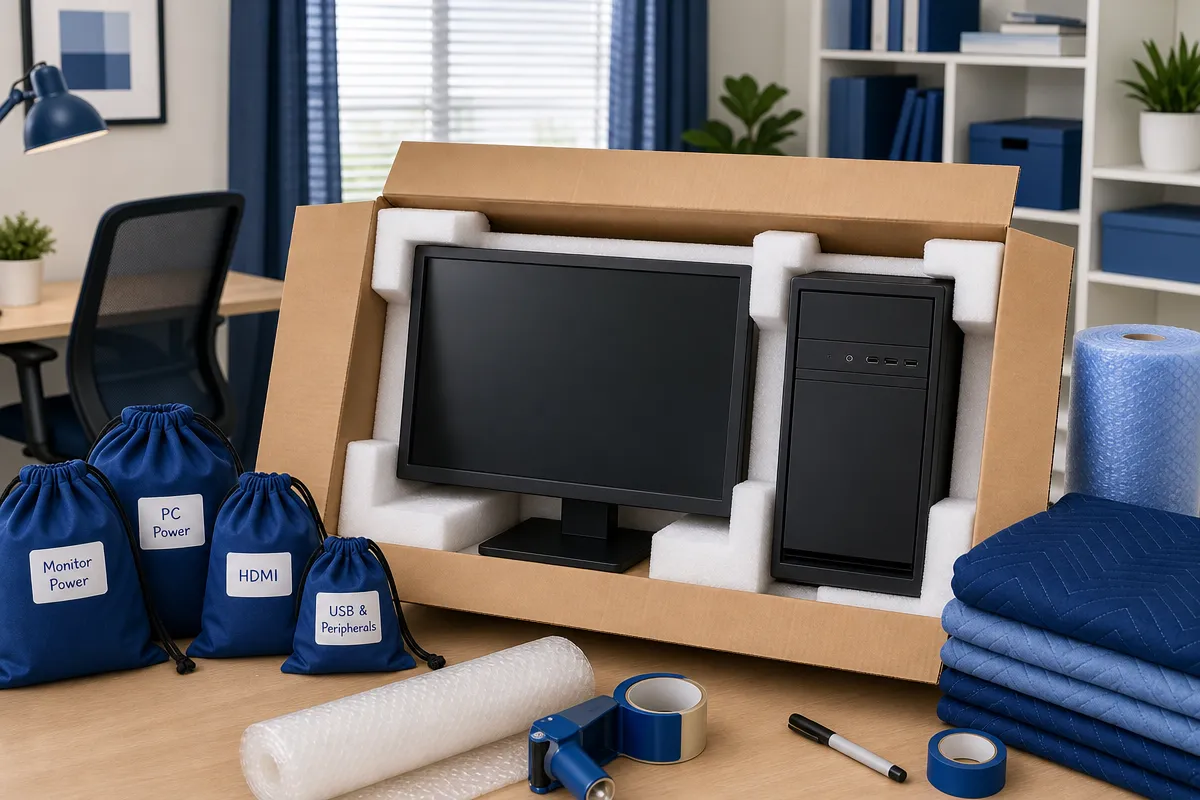
The way a home is packed and unpacked affects safety. Boxes placed in hallways, near the bed, in front of the bathroom, or along the route from the entry to essential rooms can turn a prepared home into an obstacle course. A move-in plan should keep living areas usable from the start.
Before moving day, separate belongings into practical categories. Immediate-use items should stay accessible. Donate, sell, discard, recycle, and storage items should not be shifted into a garage, basement, hallway, or spare room where they create new hazards. Virginia health guidance identifies clutter, magazines, books, boxes, extra furniture, loose rugs, and exposed cords as fall hazards.
A first-day essentials box or bag should travel with the family, not in an inaccessible truck or storage unit. This is the box that protects the first night and morning. It should be easy to find, clearly marked, and kept away from general unpacking.
Include the items the person needs for health, comfort, and routine:
Medications and medical supplies.
Glasses, phone, charger, identification, and important documents.
Toiletries, clothing, bedding, and bathroom supplies.
Water, snacks, and basic kitchen items.
Mobility-device accessories and chargers for essential equipment.
Label every box with its destination room, contents, handling instructions, and unpacking priority. “Open first” boxes should include bedding, bathroom supplies, lighting, basic food, and items needed for the senior’s established routine. Secondary rooms, decorative items, and storage possessions can wait.
Storage should preserve the safe living area, not undermine it. Daily medications, clothing, toiletries, food, mobility aids, chargers, medical supplies, and important documents should remain in the home. Seasonal, sentimental, or rarely used possessions can be stored elsewhere with large labels and an inventory. Heavy items should stay low, and frequently needed items should remain easy to reach.
Families in Virginia can also coordinate support beyond the move itself. Local Area Agencies on Aging can connect older adults and caregivers with meals, transportation, caregiver support, in-home services, Medicare counseling, wellness programs, and fall-prevention resources. Virginia has 25 Area Agencies on Aging serving every county and city.
If the senior has substantial mobility limitations, remaining onsite during heavy lifting may not be the safest choice. A quiet area with a sturdy chair, water, snacks, medication access, phone, and familiar items can help if the person stays. In some cases, staying with a relative, caregiver, or aide until heavy work is finished may be safer.
When you are planning a move for an older adult, the practical goal is simple: the person should arrive to a clear, lit, familiar, immediately usable home. For help with local moving, packing services, junk removal, warehouse storage, moving supplies, or move-out cleaning, visit D1 Moving and Storage to plan the support your move requires.